How to Master Assetto Corsa EVO: A Complete 2000‑Word Guide for Driving, Setup, and Racecraft
Introduction
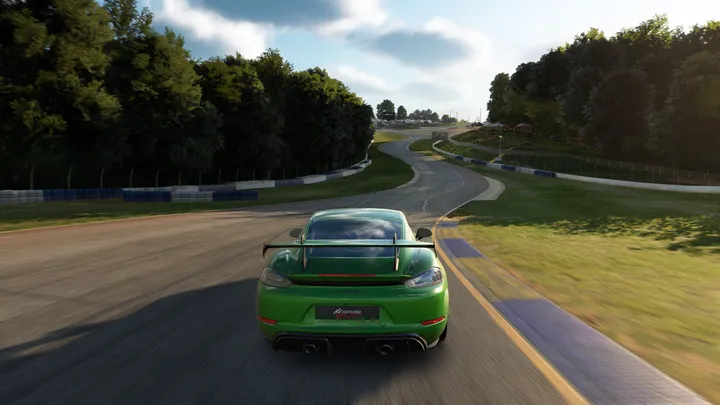
Assetto Corsa EVO is one of the most advanced sim‑racing titles ever created, combining laser‑scanned tracks, detailed tire models, and a physics engine that rewards precision and discipline. But with this realism comes complexity. Many players struggle not because they lack skill, but because they misunderstand how the game interprets inputs, setups, and driving technique.
This guide provides a complete “How To” roadmap for Assetto Corsa EVO, arranged in a meaningful timeline from beginner fundamentals to advanced racecraft. With ten structured sections, each containing practical tips, deeper explanations, and strategic insights, this article will help you evolve into a consistent, confident EVO driver.
1. How to Start Strong as a New EVO Driver
The first step to mastering Assetto Corsa EVO is understanding the fundamentals. New players often jump straight into races without learning how the physics engine behaves, which leads to frustration and inconsistent lap times. EVO’s tire model, weight transfer, and force feedback require a thoughtful approach from the very beginning.
Start by learning how the car responds to throttle, brake, and steering inputs. EVO punishes aggressive inputs — smoothness is everything. Practice driving slowly at first, focusing on consistency rather than speed. Once you can complete several laps without losing control, you’re ready to increase pace.
Beginner Priorities
- Learn smooth throttle and brake modulation
- Avoid sudden steering inputs
- Focus on consistent laps, not fast laps
The First Milestone
When you can drive 10 consecutive laps without spinning, you’ve built a solid foundation.
2. How to Set Up Your Wheel and Force Feedback Correctly
Force feedback (FFB) is your primary connection to the car. If your wheel is not set up correctly, you will misinterpret grip levels, braking force, and weight transfer. EVO’s FFB is highly detailed, but only when configured properly.
Start by calibrating your wheel’s rotation to match the car you’re driving. GT cars typically use 540–720 degrees, while road cars may use 900+. Next, adjust FFB strength so that you can feel understeer, oversteer, and curb impacts without clipping. Avoid overly strong FFB — it masks detail and causes fatigue.
Wheel Setup Tips
- Match wheel rotation to car steering ratio
- Avoid FFB clipping
- Use moderate damping for stability
Why FFB Matters
Good FFB allows you to “feel” the car’s grip, making you faster and more consistent.
3. How to Understand EVO’s Tire Model and Grip Behavior
Tires are the heart of Assetto Corsa EVO. Understanding how they heat, grip, and wear is essential for fast lap times. EVO’s tire model simulates carcass temperature, surface temperature, pressure, and load sensitivity.
Cold tires offer less grip, especially in the first lap. Overheated tires become greasy and unpredictable. Proper tire pressure ensures optimal contact patch and stability. Learn to drive smoothly during warm‑up laps and avoid sliding, which overheats the tires.
Tire Management Tips
- Warm tires gradually
- Avoid sliding or drifting
- Monitor pressures and adjust setup accordingly
The Tire Rule
Fast drivers manage tires — slow drivers destroy them.
4. How to Master Braking Technique in EVO
Braking is one of the most important skills in sim racing. EVO’s braking model rewards precision, not aggression. Slamming the brakes locks the tires, overheats them, and destabilizes the car.
Learn to brake in a straight line before turning. Use progressive pressure: firm at first, then gradually release as you approach the apex. This is called trail braking, and it helps rotate the car smoothly. Practice braking markers on each track to improve consistency.
Braking Techniques
- Straight‑line braking
- Trail braking
- Brake modulation
Why Braking Matters
Good braking reduces lap time more than any other driving skill.
5. How to Corner Efficiently Using Racing Lines
Cornering is where most players lose time. EVO’s physics engine rewards proper racing lines, smooth steering, and balanced throttle application. The ideal line maximizes exit speed, not entry speed.
Approach the corner from the outside, brake in a straight line, turn in smoothly, hit the apex, and exit wide. Avoid turning too early — this causes understeer and forces you to slow down. Focus on exit speed, as it affects your entire next straight.
Cornering Principles
- Outside → Apex → Outside
- Smooth steering inputs
- Prioritize exit speed
The Cornering Rule
Slow in, fast out — always.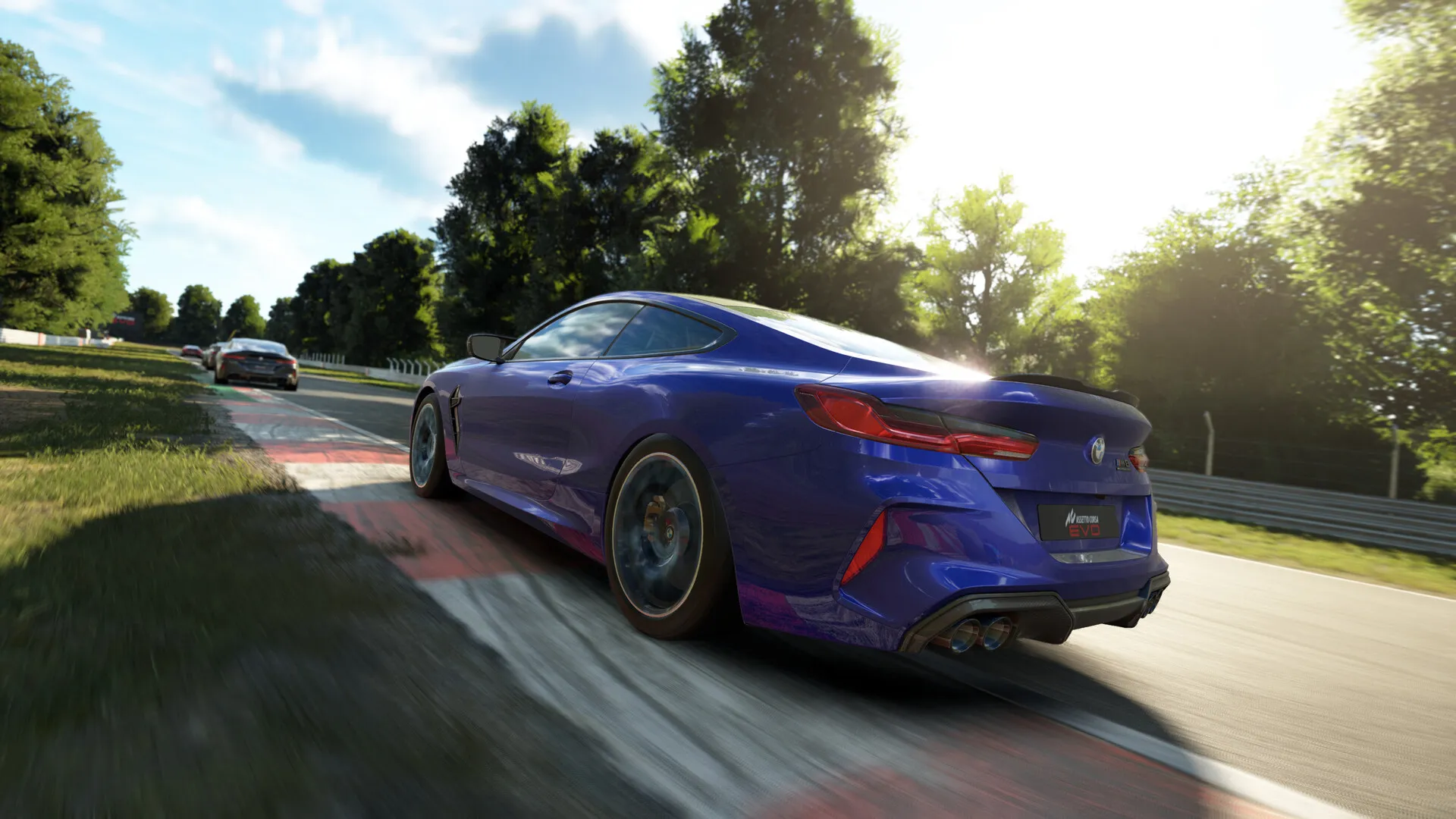
6. How to Tune Your Car Setup for EVO’s Physics
Car setup is where EVO becomes truly deep. Small adjustments can dramatically change handling. But many players make random changes without understanding their effects. Start with the basics: tire pressure, camber, toe, and suspension stiffness.
Lower tire pressure increases grip but raises temperature. More negative camber improves cornering but reduces straight‑line stability. Softer suspension increases grip but reduces responsiveness. Make one change at a time and test thoroughly.
Setup Areas to Focus On
- Tire pressure
- Camber and toe
- Suspension stiffness
- Aero balance
Setup Philosophy
A stable car is faster than an unstable one — prioritize consistency.
7. How to Learn Tracks Efficiently in EVO
Track knowledge is essential. EVO’s laser‑scanned circuits are incredibly detailed, with bumps, camber changes, and elevation shifts that affect handling. Learning these details gives you a huge advantage.
Start by driving slowly and observing braking points, apexes, and exit zones. Use track maps to memorize corner sequences. Once you know the layout, increase speed gradually. Avoid hotlapping immediately — it leads to bad habits and inconsistent lines.
Track Learning Tips
- Drive slowly at first
- Memorize braking markers
- Study elevation changes
Why Track Knowledge Matters
Knowing the track allows you to predict grip changes and optimize racing lines.
8. How to Race Cleanly and Strategically in EVO
Racing is not just about speed — it’s about awareness, strategy, and discipline. EVO’s AI and multiplayer environment reward clean driving. Divebombing, blocking, and reckless overtakes lead to crashes and penalties.
Learn to position your car defensively without weaving. Use slipstream to gain speed on straights. Plan overtakes by forcing mistakes rather than forcing gaps. Respect racing etiquette: leave space, avoid contact, and anticipate your opponent’s moves.
Racing Strategy Tips
- Use slipstream effectively
- Plan overtakes, don’t force them
- Defend cleanly without blocking
The Racing Rule
Finishing clean is better than crashing fast.
9. How to Improve Consistency and Lap Time Over Long Sessions
Consistency is the hallmark of a great sim racer. EVO’s physics reward drivers who can repeat the same inputs lap after lap. To improve consistency, focus on rhythm, braking markers, and smoothness.
Avoid chasing lap time aggressively. Instead, aim for a series of stable laps. Review telemetry to identify mistakes. Practice long stints to understand tire wear and fuel load changes. Consistency builds confidence, which leads to speed.
Consistency Tips
- Focus on rhythm
- Use consistent braking points
- Analyze telemetry
Why Consistency Wins
Fast laps matter — but consistent laps win races.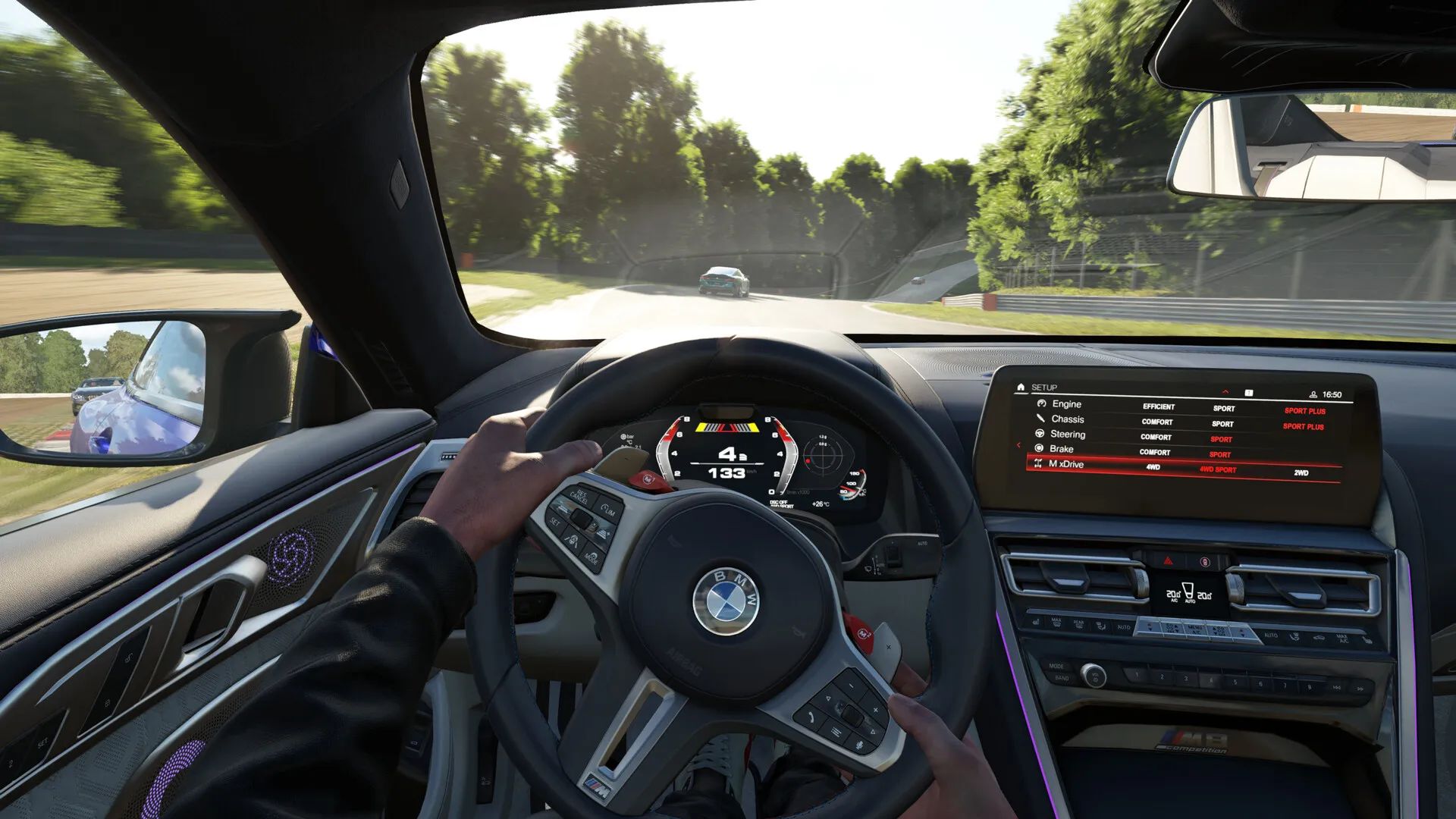
10. How to Transition from Casual Driver to Competitive EVO Racer
Becoming competitive requires discipline, patience, and structured practice. Start by mastering one car and one track. Learn every detail: braking zones, tire behavior, and setup adjustments. Once you’re consistent, join online races or leagues.
Study faster drivers by watching replays. Compare your lines, braking points, and throttle application. Practice racecraft: defending, overtaking, and managing pressure. Over time, you’ll develop the confidence and precision needed to compete at a high level.
Competitive Driver Checklist
- Master one car
- Master one track
- Study faster drivers
- Join online races
The Path to Competitiveness
Improvement comes from deliberate practice, not random laps.
Conclusion
Assetto Corsa EVO is a demanding but deeply rewarding sim. Mastering it requires understanding physics, refining technique, tuning setups, and developing racecraft. This guide has walked you through every major stage of progression, offering practical tips and deeper insights to help you grow from a beginner into a confident, competitive EVO driver. With patience and practice, you can unlock the full depth of EVO’s physics and enjoy a richer, more immersive racing experience.