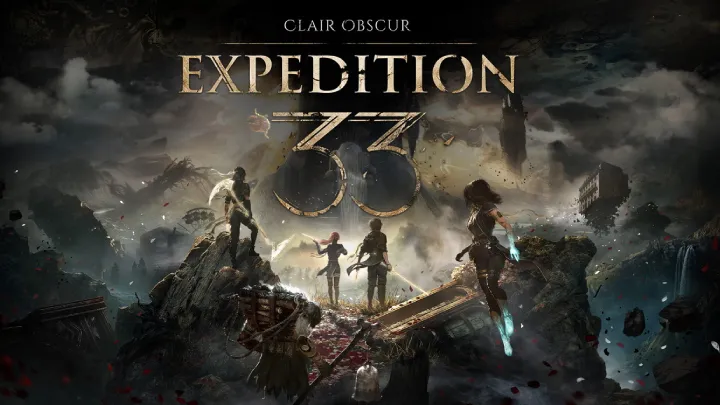





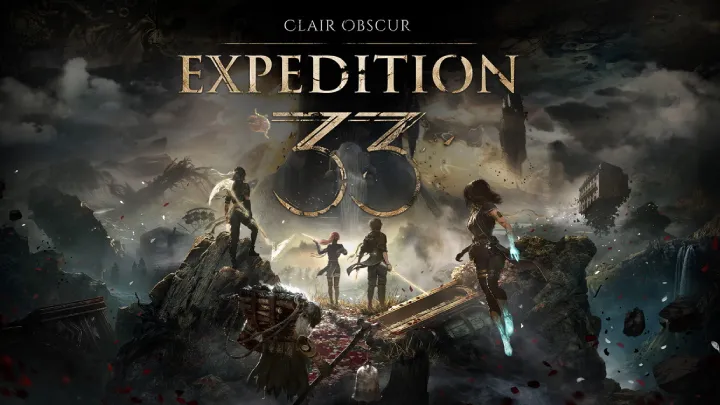
In the world of interactive storytelling, few games manage to intertwine gameplay and narrative as seamlessly as *Clair Obscur: Expedition 33*. This game, released in recent years, has captured the hearts of many players, offering a haunting narrative that unfolds through atmospheric exploration and puzzle-solving. At its core, however, one issue stands out prominently: the dilemma of player agency versus narrative control. This article delves deep into this issue, exploring how it shapes the player's experience and the overall storytelling in the game.</p>
The Premise of Clair Obscur: Expedition 33
Clair Obscur: Expedition 33 presents players with an enigmatic world, steeped in shadows and fragmented memories. Players navigate through a dreamlike landscape, where each location unravels a piece of the protagonist's past, ultimately revealing the haunting truth behind their journey. This setting is not merely a backdrop; it actively influences gameplay, reinforcing the themes of memory, loss, and self-discovery.
Setting the Stage
The game’s environment is meticulously crafted, featuring visually stunning graphics and a richly detailed soundscape that immerses players in its eerie world. Each level represents different facets of the protagonist's psyche, manifesting as physically distinct locations that players must traverse. This leads to a series of puzzles that require not only critical thinking but also emotional investment in the story.
Atmosphere and Mood
From the start, the game establishes a haunting atmosphere, immersing players in a world filled with darkness and uncertainty. Players find themselves navigating through shadowy realms, confronting unsettling figures and elements that challenge their perception of reality. This atmospheric intensity lays the groundwork for the narrative complexity that follows.
Player Agency vs. Narrative Control
One of the central dilemmas in Clair Obscur: Expedition 33 is the tension between player agency and narrative control. The designers ingeniously crafted moments where players feel empowered to make decisions, while simultaneously constraining those choices within the framework of the story. This balance is crucial, as it can either enhance or detract from the overall experience.
Understanding Player Agency
Player agency refers to the capacity of players to make choices that affect the gameplay experience. In Clair Obscur: Expedition 33, players are frequently faced with decisions that seem impactful, leading them to believe they have control over the narrative’s outcomes. This sense of agency allows players to engage more deeply with the narrative, as their choices appear to personalize their journey through the game.
The Illusion of Choice
However, as the story unfolds, it becomes evident that many of these choices are constrained by the overarching narrative. While players may choose which path to take or which elements to engage with, they ultimately find that the plot progresses in predetermined directions. This can lead to frustration, as the illusion of choice contrasts with the reality of a linear storyline.
The Role of Puzzles in Narrative Design
Puzzles in Clair Obscur: Expedition 33 are intricately woven into the story, serving both as gameplay mechanics and narrative devices. They are not merely obstacles to overcome but essential to unraveling the plot and deepening the player’s understanding of the protagonist’s past.
Types of Puzzles
- Environmental Puzzles: Players must manipulate their surroundings to progress, often requiring them to recall previously encountered elements or themes from earlier levels.
- Memory Puzzles: These puzzles hinge on the protagonist's recollections, challenging players to piece together fragmented memories to unlock new areas or insights.
- Symbolic Puzzles: These often require interpretation, where players must connect abstract clues that tie back to the game's themes of identity and self-discovery.
Engaging with the Narrative
The incorporation of puzzles enhances players' engagement with the narrative. Successfully navigating these challenges often reveals deeper layers of the protagonist’s story, creating a compelling feedback loop where gameplay and story inform one another. This synergy is what elevates Clair Obscur: Expedition 33 above other titles, ensuring that players are not merely passive consumers of a linear plot.
Emotional Resonance and Character Development
At the heart of Clair Obscur: Expedition 33 lies a profound exploration of the human psyche. The protagonist's journey is fraught with emotional challenges, and the game invites players to empathize with their struggles. This emotional resonance significantly impacts how players experience the game’s narrative.
The Protagonist's Struggles
The protagonist grapples with themes of loss, regret, and self-identity. As players navigate the game, they encounter manifestations of these struggles turned into physical entities or scenarios they must confront. These encounters serve as emotional milestones, bound together by the overarching narrative and the choices made by the player.
Building Empathy
By framing these challenges within the confines of gameplay, the game fosters empathy. Players are not just observing the protagonist's journey; they are immersed in it, making decisions that both character and player must live with. This connection heightens the emotional stakes and enhances the overall narrative impact.
The Impact of Narrative Structure
The structural choices made in Clair Obscur: Expedition 33 further amplify the tension between player agency and narrative control. The game often employs a non-linear storytelling approach, allowing for glimpses into the Future and Past of the protagonist, which can both enrich and confuse the player's experience.
Fragmented Storytelling
The narrative unfolds in non-linear fragments, mirroring the disorienting nature of the protagonist’s memory. While this technique can enhance immersion, it can also lead to confusion if players struggle to connect the dots between disparate story elements. This fragmented structure can evoke a sense of intrigue but may also detract from the coherence of the narrative.
Consequences of Structure
Ultimately, the narrative’s fragmented structure contributes to the overall theme of memory and self-discovery. However, it also underscores the limitations of player agency: while players can explore various paths, the underlying story remains fixed, determined by the game’s design.
The Symbolism of Light and Shadow
Light and shadow play a critical role in Clair Obscur: Expedition 33, both aesthetically and thematically. The contrasting elements of light and shadow serve as metaphors for the emotional and psychological states of the protagonist.
Visual Metaphors
The game’s environments utilize light and shadow to depict various emotional states. For instance, brightly lit areas often symbolize moments of clarity and understanding, while shadows represent confusion, fear, and unresolved issues. This interplay not only enhances the gameplay but also reinforces the narrative's underlying themes.
Thematic Implications
Furthermore, the duality of light and shadow emphasizes the complexity of the protagonist's journey. It reflects the internal struggle between acceptance and denial, knowledge and ignorance. This symbolism resonates with players, making the narrative more relatable and thought-provoking.
Engaging with Other Characters
The interactions between the protagonist and other characters play a vital role in enhancing the narrative complexity of Clair Obscur: Expedition 33. These secondary characters serve as mirrors and foils to the protagonist, representing various facets of their journey.
Supporting Characters
Supporting characters often embody different aspects of the protagonist’s psyche, allowing players to explore the internal conflict more deeply. Characters can serve as catalysts for change, challenging the protagonist to confront aspects of themselves they wish to ignore.
Relationship Dynamics
The narrative also delves into the dynamics of these relationships, highlighting how they evolve as the protagonist progresses. Each interaction is laden with emotional weight, contributing to the broader themes of redemption and self-acceptance.
Conclusion: Balancing Agency and Narrative in Gaming
As players navigate the intricate landscape of Clair Obscur: Expedition 33, they encounter a rich tapestry of challenges and emotional resonance. The delicate balance between player agency and narrative control invites players to engage with the story on multiple levels.
While the game’s design may at times frustrate those seeking complete autonomy in their choices, it ultimately serves a larger purpose—creating a narrative experience that is as haunting as it is beautiful. By exploring the protagonist's journey through puzzles, interactions, and symbolic elements, players are encouraged to embrace the complexity of their journey.
In conclusion, Clair Obscur: Expedition 33 stands as a profound example of how video games can transcend mere entertainment to become vehicles for deep emotional exploration and storytelling. The interplay between player agency and narrative control will continue to spark discussions on the future of interactive storytelling, proving that the heart of the experience lies in the journey and the choices we make along the way.