



Introduction
On the surface, Match Factory! looks like another bright, fast-paced mobile puzzle game designed for quick entertainment. Developed for players who enjoy sorting, matching, and clearing items under time pressure, the game has quickly climbed app store charts thanks to its addictive loop and visually satisfying mechanics. But beneath its cheerful colors and simple rules lies a growing concern among players and industry observers alike: the escalating role of time pressure and artificial difficulty spikes.
Unlike traditional match-based puzzle games that reward thoughtful planning, Match Factory! increasingly emphasizes speed over strategy. This shift has sparked debates about accessibility, monetization ethics, and whether the game is slowly drifting away from its casual roots. This article examines how time pressure has become the defining issue of Match Factory!, why it matters, and what it signals for the future of mobile puzzle games.
1. The Original Appeal: Casual Fun Without Stress
When Match Factory! first gained popularity, it was praised for its simplicity.
The early levels focused on visual clarity and relaxed pacing. Players could take their time learning how to identify matching items, manage limited slots, and understand the basic flow of the game.
A Game Designed for Everyone
At launch, Match Factory! appealed to:
- Casual players seeking stress-free gameplay
- Older audiences drawn to clear visuals
- Short-session gamers playing in spare moments
The absence of harsh timers made the experience approachable and welcoming.
2. The Gradual Introduction of Time-Based Pressure
As players progressed, timers began to appear more frequently.
What started as a light nudge toward efficiency slowly became a dominant mechanic. Later levels demanded faster reactions, quicker decision-making, and near-perfect execution.
From Optional to Mandatory
Over time:
- Timers shortened dramatically
- Levels introduced more item clutter
- Mistakes became increasingly punishing
The shift was subtle, but its impact was profound.
3. Speed Over Strategy: A Fundamental Design Shift
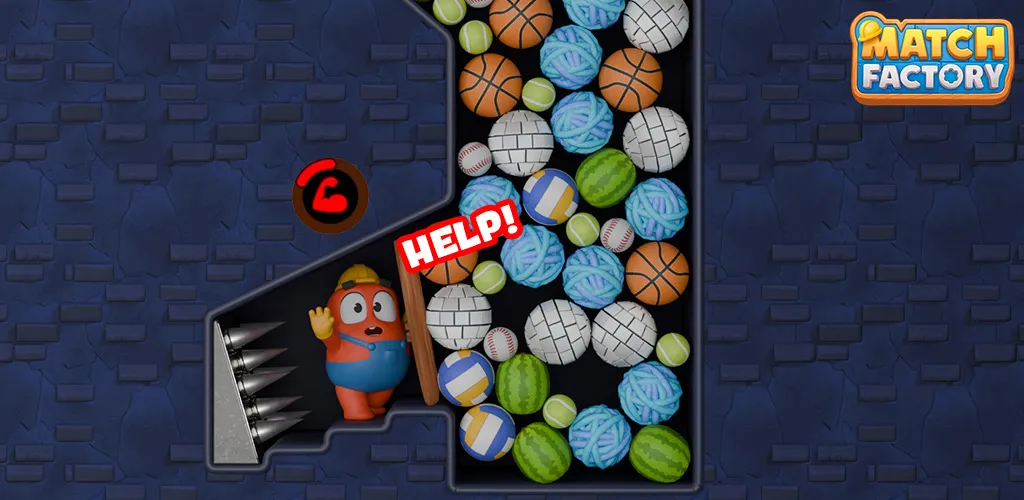
One of the biggest criticisms facing Match Factory! today is that speed has replaced strategy.
Players no longer feel rewarded for clever planning. Instead, success often depends on rapid tapping and memorization.
Why This Matters
Puzzle games traditionally thrive on:
- Pattern recognition
- Problem-solving
- Mental satisfaction
When speed becomes the primary factor, the genre itself begins to blur into reflex-based gameplay.
4. Difficulty Spikes and Player Frustration
Another issue closely tied to time pressure is inconsistent difficulty scaling.
Many players report sudden spikes where levels become dramatically harder without introducing new mechanics.
Common Player Complaints
Players frequently mention:
- Abrupt timer reductions
- Overloaded item pools
- Limited recovery from small mistakes
These spikes feel less like challenges and more like barriers.
5. Monetization and the Timer Problem
Time pressure does not exist in isolation—it intersects directly with monetization.
Boosters that add time, remove items, or undo mistakes become increasingly valuable as levels grow more demanding.
The Pay-to-Progress Perception
While Match Factory! is technically free-to-play:
- Time extensions often cost premium currency
- Failure encourages repeated attempts
- Ads and microtransactions offer “relief”
This design raises questions about whether difficulty is tuned for engagement or revenue.
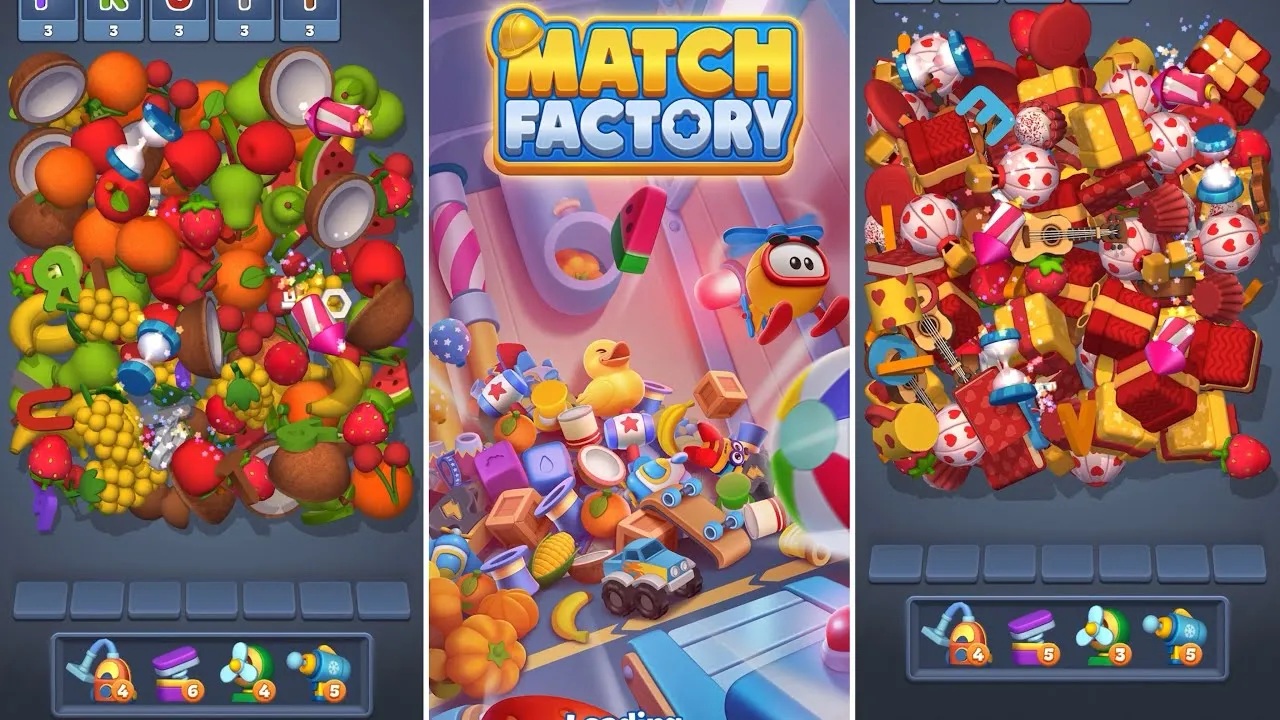
6. Accessibility Concerns for Casual Players
As timers tighten, accessibility suffers.
Players with slower reaction times, visual impairments, or limited dexterity may find later stages overwhelming.
A Shrinking Audience
What began as a casual game risks becoming exclusionary:
- Older players drop off earlier
- Stress-sensitive users disengage
- Sessions feel mentally exhausting
This contradicts the game’s original positioning.
7. Psychological Impact of Constant Time Pressure
Time pressure affects more than gameplay—it affects player psychology.
Repeated exposure to countdowns can turn short play sessions into stressful experiences rather than relaxing ones.
From Fun to Fatigue
Players report:
- Anxiety during later levels
- Reduced enjoyment despite success
- Feeling “pushed” rather than entertained
This emotional shift impacts long-term retention.
8. Community Feedback and Developer Silence
Online discussions around Match Factory! increasingly focus on pacing issues.
While developers continue to release new levels and events, communication about difficulty concerns remains limited.
A Missed Opportunity
Transparent dialogue could:
- Clarify design intentions
- Rebuild player trust
- Improve balance through feedback
Silence risks alienating loyal players.
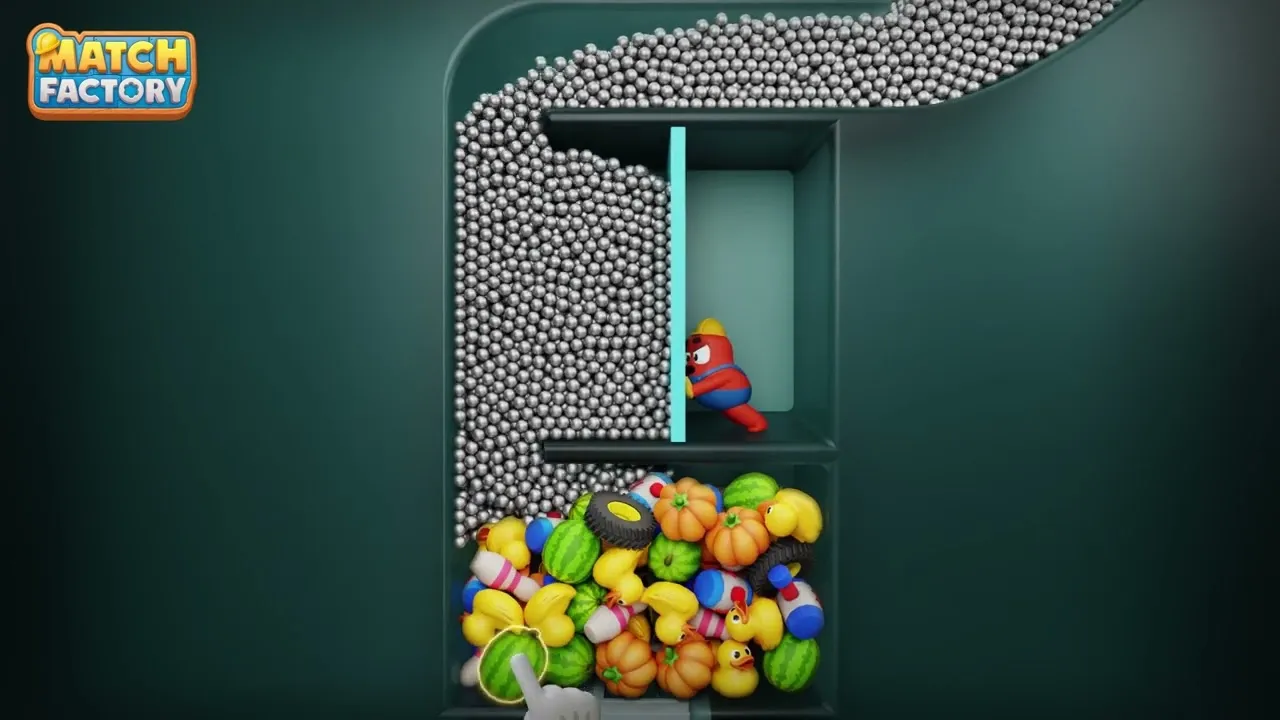
9. Lessons from Other Puzzle Games
Other successful puzzle games have faced similar challenges—and adapted.
Games that introduced adjustable difficulty, optional timers, or alternative modes often retained broader audiences.
What Match Factory! Could Learn
Possible improvements include:
- Timer-free modes
- Scaled difficulty based on performance
- Rewards for strategic play, not just speed
These changes would not weaken the game’s identity.
10. What This Means for the Future of Casual Puzzle Games
Match Factory! reflects a broader industry trend.
As competition intensifies, many casual games adopt aggressive engagement tactics, including time pressure and monetization-driven difficulty.
A Defining Moment
How Match Factory! evolves will signal:
- Whether casual games remain accessible
- How monetization shapes design
- What players are willing to tolerate
The outcome matters beyond one game.
Conclusion
Match Factory! remains a visually charming and mechanically satisfying puzzle game, but its increasing reliance on time pressure raises serious concerns. What once felt like a relaxing matching experience now demands speed, precision, and often payment to progress comfortably.
This shift does not make the game bad—but it does redefine who it is for. If developers can rebalance timers, reintroduce strategy, and respect the casual audience that fueled its rise, Match Factory! could reclaim its original appeal. Otherwise, it risks becoming another example of how mobile games trade long-term enjoyment for short-term engagement.
160-Character Summary
Match Factory! faces criticism as rising time pressure turns casual puzzle fun into stressful, speed-driven gameplay tied closely to monetization.