Mastering Genetic Optimization in Mewgenics: A Deep Guide to Breeding the Ultimate Cat Lineage
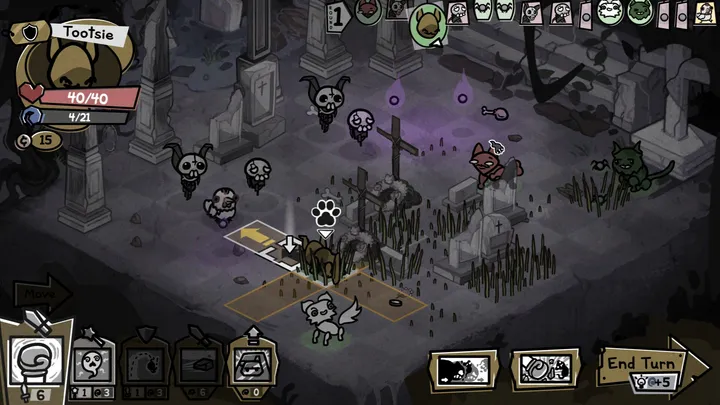
In Mewgenics, success doesn’t come from luck—it comes from understanding systems that operate beneath the surface. While many players focus on combat, exploration, or item collection, the true long-term advantage lies in mastering the game’s most complex mechanic: genetic breeding. This guide dives deep into one specific high-impact topic—genetic optimization and lineage control—to help you consistently produce elite cats with powerful traits, minimal defects, and scalable progression potential. If you’ve ever wondered why your cats plateau or why some players seem to generate unstoppable lineages, this is where everything changes.
1. Understanding the Core Genetics System
At its foundation, Mewgenics uses a layered genetic inheritance system that blends visible traits, hidden genes, and mutation probabilities. Each cat carries dominant and recessive genes that influence everything from physical attributes to combat abilities. However, what most players miss is that traits are not isolated—they interact in clusters, meaning breeding outcomes are influenced by combinations rather than single variables.
Early in your gameplay, you may notice inconsistent offspring results. This is because the game simulates real-world genetic randomness through weighted probability rather than fixed inheritance. Understanding that each breeding attempt is a probability roll—not a guaranteed outcome—is critical. The goal is not perfection in one generation, but gradual optimization over multiple cycles.
Key Genetic Factors
- Dominant vs recessive trait expression
- Hidden mutation pools
- Trait compatibility and synergy
- Generational stability
Pro Tip
Always track lineage outcomes manually or mentally—patterns emerge faster than you think.
2. Selecting Foundational Breeding Stock
Your starting cats define your long-term success more than any later decision. Instead of breeding everything randomly, you should identify 2–3 foundational cats with complementary strengths. One might excel in survivability, another in attack traits, and a third in rare mutation potential.
Avoid the common mistake of breeding “good with good” without analysis. Sometimes pairing a strong trait with a stabilizing neutral trait produces more consistent offspring than combining two extremes. Stability often beats peak stats in early generations.
What to Look For
- Balanced stat distribution
- Low defect rates
- Rare but inheritable traits
- Compatible trait pools
Strategic Insight
Think of your first generation as a “genetic foundation,” not your final product.
3. Managing Trait Inheritance Probability
Not all traits are equally likely to pass down. Some have high inheritance rates, while others require multiple generations to stabilize. Learning which traits are “sticky” and which are volatile allows you to plan breeding cycles more efficiently.
You should prioritize traits with moderate inheritance probability early on, as they are easier to stabilize. Rare traits should be introduced gradually, once your genetic line is stable enough to absorb variability without collapsing.
Trait Categories
- High probability (easy to pass)
- Moderate probability (requires planning)
- Low probability (rare/mutation-based)
Optimization Rule
Never introduce more than one low-probability trait per generation.
4. Controlling Negative Traits and Defects
Every powerful genetic system comes with drawbacks. In Mewgenics, defects can accumulate quickly if not managed. These include reduced stats, behavioral issues, or even debilitating combat disadvantages.
The key is not eliminating defects entirely—that’s nearly impossible—but controlling their spread. You must identify carriers and isolate them strategically rather than removing them outright, especially if they also carry valuable traits.
Common Mistakes
- Ignoring minor defects early
- Breeding two carriers together
- Overvaluing rare traits despite heavy drawbacks
Balance Principle
A slightly flawed but stable lineage is stronger than a perfect but unstable one.
5. Building Generational Stability
Stability is what separates casual breeders from advanced players. A stable lineage consistently produces predictable offspring, allowing you to scale your strategy rather than rely on luck.
To build stability, you must reinforce desirable traits over multiple generations. This often involves “consolidation breeding,” where you breed within a controlled pool to lock traits in place before expanding outward again.
Stability Techniques
- Line breeding (controlled repetition)
- Trait reinforcement cycles
- Selective pairing over random breeding
Warning
Over-stabilization can reduce genetic diversity—balance is key.
6. Introducing Mutations Strategically
Mutations are where the real power lies. These rare traits can dramatically increase your cats’ effectiveness, but they come with unpredictability. Introducing mutations too early can destabilize your entire lineage.
The correct approach is timing. Only introduce mutations once your base traits are stable. This way, even if the mutation fails, your core lineage remains intact.
Mutation Strategy
- Introduce one mutation at a time
- Test across multiple breeding cycles
- Preserve backup lineage
Advanced Tip
Always maintain a “clean line” as insurance against mutation failure.
7. Scaling Your Breeding Program
Once you have a stable lineage, the next step is scaling. This means increasing the number of breeding pairs while maintaining quality. The challenge here is consistency—more cats means more variables.
To scale effectively, divide your breeding pool into specialized lines. Each line focuses on specific traits, which can later be recombined to produce high-tier offspring.
Scaling Structure
- Primary lineage (core traits)
- Secondary lineage (support traits)
- Experimental lineage (mutations)
Efficiency Rule
Never scale instability—fix issues before expansion.
8. Optimizing for Combat Performance
Genetics are not just cosmetic—they directly impact combat outcomes. Traits influence damage output, survivability, speed, and special abilities. Optimizing your lineage for combat requires aligning genetics with gameplay strategy.
For example, a high-damage build may benefit from aggressive traits but needs enough survivability to remain viable. Balancing these elements is where advanced breeding truly shines.
Combat-Oriented Traits
- Attack modifiers
- Defense/resistance traits
- Speed and initiative boosts
- Special ability enhancers
Build Philosophy
Design your genetics around your playstyle—not the other way around.
9. Long-Term Lineage Planning
Short-term gains can sabotage long-term success if you don’t plan ahead. Every breeding decision should align with a larger goal, whether that’s creating a dominant combat line or a rare mutation collector.
Think in terms of generations, not individual cats. A single perfect cat is less valuable than a lineage that can consistently produce strong offspring.
Planning Framework
- Define end-goal traits
- Map generational milestones
- Adjust based on outcomes
Mindset Shift
You are not breeding cats—you are engineering a system.
10. Avoiding Common High-Level Mistakes
Even experienced players fall into traps that limit their progress. These mistakes often stem from impatience or misunderstanding of the system’s depth.
Recognizing and avoiding these pitfalls can save dozens of in-game generations and dramatically improve your efficiency.
Top Mistakes
- Chasing rare traits too early
- Ignoring lineage stability
- Overbreeding without tracking results
- Failing to maintain backup lines
Final Insight
Mastery comes from discipline, not experimentation alone.
Conclusion
Mastering genetic optimization in Mewgenics transforms the game from a chaotic breeding simulator into a strategic masterpiece. By focusing on lineage stability, controlled mutation, and long-term planning, you can consistently produce elite cats that outperform random outcomes. The key is patience—each generation builds upon the last, and small improvements compound into powerful results over time. Whether your goal is dominance in combat or perfecting rare traits, understanding and controlling the genetic system is the ultimate path to mastery.