.webp)







Introduction
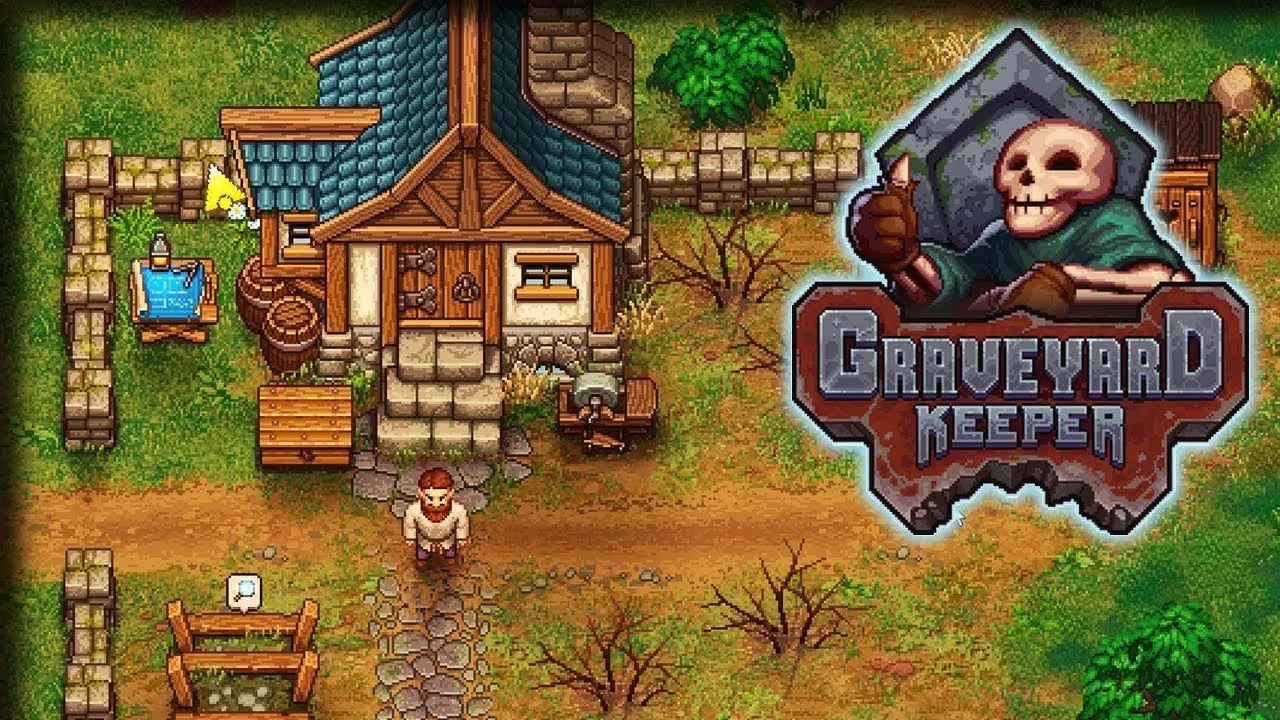
Graveyard Keeper is a darkly humorous management simulation that blends resource optimization, crafting chains, dungeon crawling, and narrative progression. On the surface, it appears similar to cozy farming sims, but underneath lies one of the most complex progression systems in the genre. Almost every action is gated by technology, resources, NPC schedules, and long crafting chains that can overwhelm new players.
Many players struggle not because the game is hard, but because it explains very little. Inefficient layouts, wasted resources, and poor early decisions can slow progress dramatically. This guide focuses on practical tips and long-term strategies to help you build an efficient graveyard, manage time wisely, and avoid common progression traps.
Understanding the Core Gameplay Loop
At its heart, Graveyard Keeper revolves around four interconnected systems: corpse management, crafting, technology research, and NPC progression. Ignoring any one of these will bottleneck your progress.
Every activity feeds into another. Improving the graveyard increases church income, which funds crafting expansions. Better crafting unlocks technology, which enables higher-quality corpses and structures.
Core loop priorities:
- Improve graveyard quality
- Unlock technology efficiently
- Automate crafting where possible
Progress comes from balance, not rushing.
Managing Corpses and Graveyard Quality
Corpses are the most misunderstood mechanic in the game. Each body has red and white skulls that directly affect graveyard rating. Burying bad corpses early can permanently lower efficiency.
New players often bury everything immediately, which slows progress later. Learning when to bury, burn, or delay corpses is crucial.
Corpse management tips:
- Avoid burying high red-skull bodies early
- Use autopsy strategically
- Focus on white skulls for long-term quality
Quality matters more than quantity.
Early Game Technology Priorities
Technology points are limited early, and poor choices can stall progression. Many beginner-friendly upgrades actually slow efficiency.
Prioritize technologies that unlock automation, crafting efficiency, and core progression paths instead of cosmetic or convenience upgrades.
Early tech focus:
- Stone and wood crafting chains
- Basic corpse preparation
- Church and sermon progression
Smart tech choices save hours later.
Crafting Chains and Resource Efficiency
Crafting in Graveyard Keeper is built on long, layered production chains. Almost every advanced item requires multiple intermediate steps.
Efficiency improves when crafting stations are placed logically and used consistently. Random crafting wastes time and energy.
Crafting optimization tips:
- Batch-produce intermediate items
- Place stations close together
- Avoid crafting single items repeatedly
Planning beats improvisation.
Time Management and NPC Schedules
NPCs appear only on specific days, making time management one of the most important skills. Missing an NPC can delay quests by an entire week.
Successful players plan their week in advance and align crafting goals around NPC availability.
Time management strategies:
- Track NPC visit days
- Prepare quest items early
- Use downtime for crafting
Time is your most valuable resource.
Faith, Blue Points, and Research Optimization
Faith and blue technology points are major progression bottlenecks. Many players stall because they fail to generate these resources efficiently.
Faith primarily comes from sermons, while blue points are earned through research and crafting specific items.
Optimization tips:
- Improve sermons early
- Research body parts carefully
- Craft blue-point-generating items consistently
Efficient research unlocks everything else.
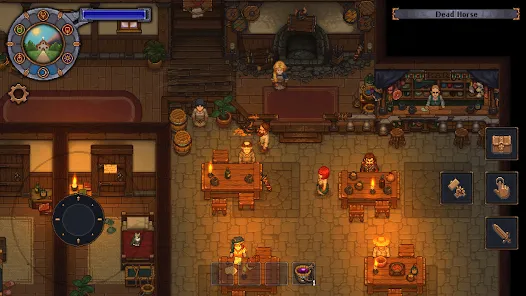
Dungeon Exploration and Combat Survival
Dungeons provide critical resources and story progression but can punish unprepared players. Combat is simple but unforgiving if rushed.
Exploring gradually and upgrading equipment ensures smoother dungeon runs.
Dungeon tips:
- Upgrade weapons before deep runs
- Bring healing supplies
- Clear floors methodically
Preparation prevents frustration.
Church Expansion and Income Scaling
The church is your primary income source and should not be neglected. Higher church quality leads to better donations and faster progression.
Improving decorations and sermon quality creates a steady income loop.
Church growth tips:
- Improve interior decorations first
- Upgrade sermons early
- Hold sermons consistently
A strong church fuels everything else.
Automation, Zombies, and Late-Game Efficiency
Zombies are the key to late-game automation. Unlocking them transforms Graveyard Keeper from a grind into a management simulator.
Automating resource gathering frees time for story progression and optimization.
Automation priorities:
- Wood and stone automation
- Farming and crafting zombies
- Logistics over manual labor
Automation equals freedom.
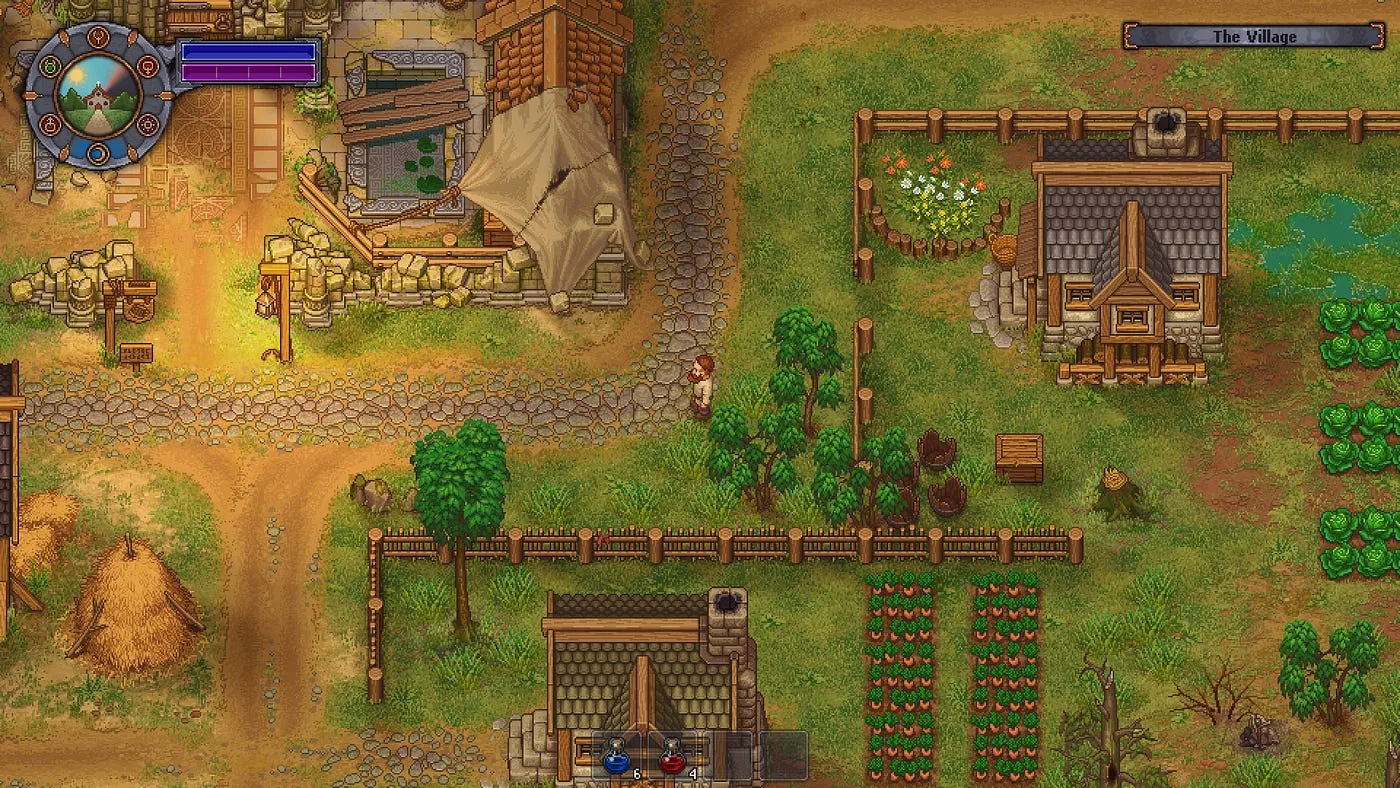
Common Mistakes That Slow Progress
Most frustration comes from repeatable mistakes that compound over time. Avoiding these dramatically improves the experience.
Mistakes to avoid:
- Burying poor-quality corpses early
- Ignoring church development
- Unlocking inefficient technologies
Learning what not to do matters most.
Conclusion
Graveyard Keeper rewards patience, planning, and efficiency. Progress is rarely blocked by difficulty, but by poor decisions and misunderstood systems. Once you understand corpse management, technology flow, and automation, the game opens up into a deeply satisfying management experience.
By prioritizing graveyard quality, choosing technologies wisely, managing time around NPC schedules, and embracing automation, players can transform overwhelming complexity into smooth progression. Graveyard Keeper is not about speed, but about smart systems working together.
160-character summary
A complete Graveyard Keeper guide covering corpse management, crafting efficiency, technology choices, and automation to speed up progression.