Gorilla Tag Pro Movement Guide: How to Master Vertical Escapes and Impossible Routes
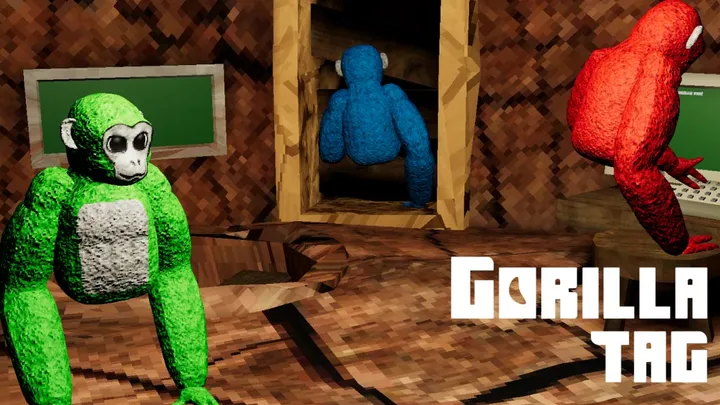
Among VR multiplayer titles, Gorilla Tag stands apart because movement itself is the core skill. Instead of relying on traditional joystick locomotion, the game forces players to move by pushing themselves through the world using only their arms. This design transforms simple playground-style maps into intense physical arenas where speed, precision, and creativity determine survival.
However, many players eventually reach a frustrating plateau. They understand basic movement and can run across the ground or climb simple surfaces, yet they constantly get caught by experienced players who seem to move effortlessly through the environment. These advanced players use vertical escape routes, wall chains, and momentum transfers that allow them to disappear into the map before chasers can react.
This guide focuses on a specific and critical skill problem: how to master vertical movement and escape routing in Gorilla Tag. Instead of simply running horizontally, skilled players move upward through trees, walls, and structures to gain a positional advantage. Learning how to chain vertical movement routes together dramatically increases survival time and opens entirely new strategies for both chasing and escaping.
The following sections break down advanced techniques step by step, explaining how experienced players use the environment to maintain momentum, climb quickly, and escape even the most skilled chasers.
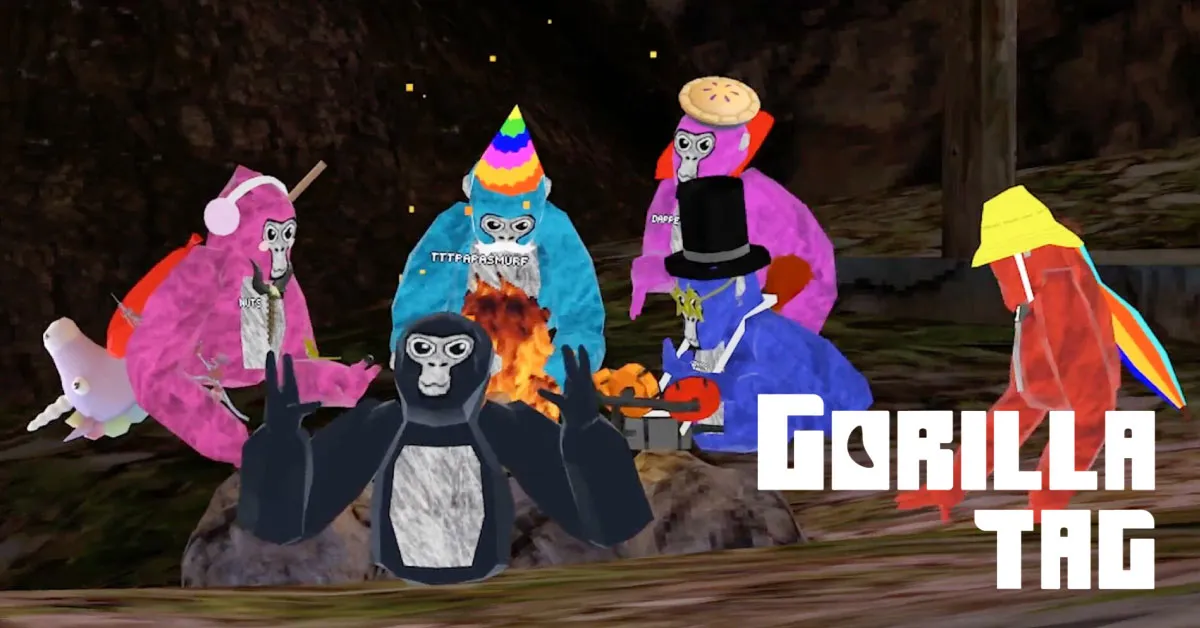
Understanding Why Vertical Movement Dominates Gorilla Tag Matches
Most beginners move horizontally across the ground because it feels natural and easy. Unfortunately, ground movement also makes players extremely predictable. Chasers can simply follow the same path and close the distance.
Vertical movement changes this dynamic completely.
When a player climbs upward onto walls, trees, or elevated structures, they gain several strategic advantages. First, they force chasers to change their path and adjust their movement timing. Second, vertical routes often include multiple branching paths, making it difficult for opponents to predict where the runner will go next.
Key advantages of vertical positioning
• Harder for opponents to track movement
• Multiple escape options from a single location
• Greater visibility across the map
Why advanced players prioritize height
Experienced Gorilla Tag players treat vertical structures as highways rather than obstacles. Trees, walls, and ledges allow them to redirect momentum without losing speed, turning the environment into a network of escape routes.
Learning to move vertically is therefore one of the most important steps in becoming a high-level player.
Building Reliable Momentum Before Attempting Vertical Routes
Vertical movement depends heavily on momentum. Without enough forward speed, players cannot climb efficiently or transition between surfaces.
Before attempting advanced routes, players must master momentum-building techniques on flat surfaces.
Core momentum principles
Momentum comes from controlled arm pushes rather than random slapping of surfaces. Each push should move the player forward while maintaining balance.
Momentum building routine
Step 1: Low push angle
Push slightly backward instead of directly downward. This generates forward movement.
Step 2: Smooth rhythm
Alternate arms in a steady rhythm to prevent sudden stops.
Step 3: Body lean
Leaning slightly forward helps maintain direction and control.
Players who consistently build strong momentum will find it much easier to launch into vertical climbs.
Learning the Fast Climb Technique for Tall Surfaces
One of the most important vertical movement techniques is the fast climb. This allows players to scale tall walls or structures rapidly while maintaining control.
Many beginners climb inefficiently by pushing too slowly or placing their hands too far apart.
The fast climb method
Fast climbing relies on short, rapid pushes that keep the player close to the wall.
Step-by-step climbing sequence
- Approach the wall with forward momentum.
- Place your first hand at chest height.
- Push downward quickly while raising your body.
- Immediately place the opposite hand higher on the wall.
- Repeat the motion rapidly.
Important climbing tips
• Keep your body close to the surface
• Use short, quick pushes instead of long movements
• Maintain consistent rhythm
Efficient climbing dramatically increases vertical mobility.
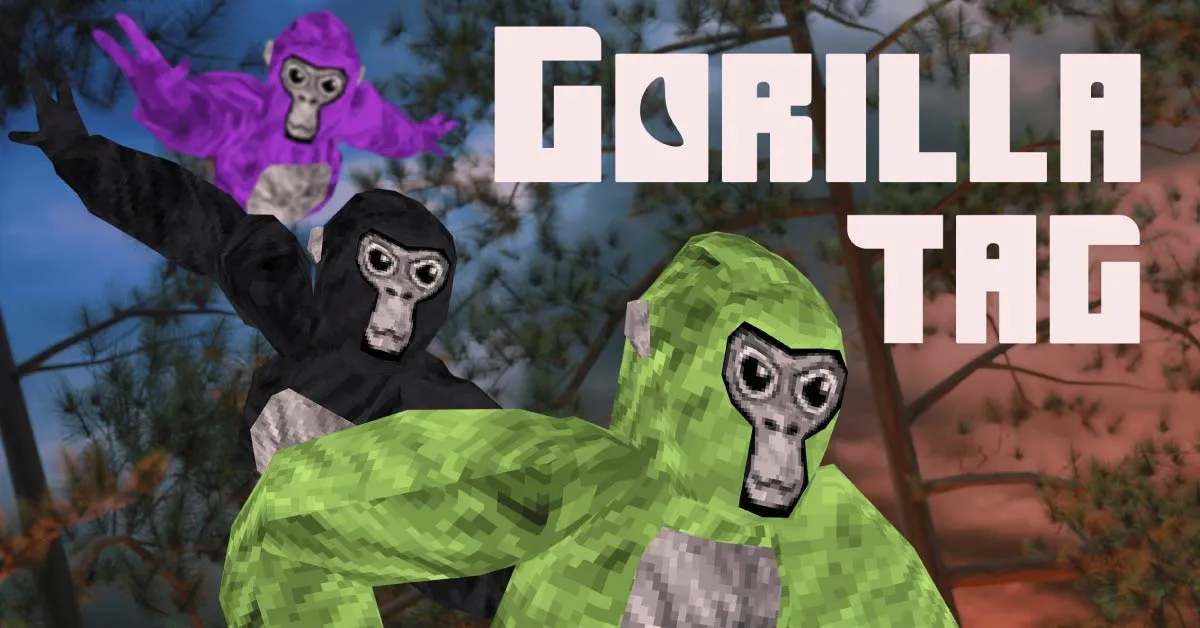
How to Chain Wall Climbs Into High-Speed Wall Runs
Climbing alone is useful, but elite players combine climbing with wall running to move across large vertical surfaces.
Wall running allows players to move horizontally along a wall without falling.
Difference between climbing and running
Climbing pushes directly downward, while wall running uses angled pushes that create sideways movement.
Basic wall run technique
Step 1: Build momentum
Approach the wall with speed.
Step 2: First contact
Place your hand slightly ahead of your body.
Step 3: Diagonal push
Push downward and slightly sideways.
Step 4: Alternate hands
Continue the pattern to maintain motion along the wall.
Wall runs allow players to traverse large areas without touching the ground.
Mastering Tree Branch Navigation
Tree structures play a central role in many Gorilla Tag maps. Branches offer both vertical positioning and rapid escape routes.
However, beginners often make the mistake of landing fully on branches instead of using them as movement connectors.
Efficient branch movement
Branches should be used as momentum redirect points rather than stopping platforms.
Branch routing techniques
• Tap the branch briefly and push away
• Use angled pushes to redirect momentum
• Chain multiple branches together
Advantages of branch traversal
Branch routes allow players to stay above ground level while constantly changing direction, making them extremely difficult to chase.
How to Perform Momentum Transfers Between Surfaces
Momentum transfers occur when a player redirects their movement from one surface to another without stopping.
This technique is essential for advanced escape routes.
Example transfer sequence
- Run across the ground.
- Launch into a wall climb.
- Push sideways into a wall run.
- Jump toward a tree branch.
Each step preserves movement energy.
Common mistakes
• Stopping completely on surfaces
• Overextending arm movements
• Losing direction control
Smooth transfers create fluid movement chains.
Creating Escape Routes Before a Chase Begins
Experienced players rarely improvise escape paths during a chase. Instead, they mentally map routes while moving through the environment.
Planning escape routes allows players to react instantly when a chase begins.
Escape route planning checklist
• Identify nearby vertical structures
• Look for multiple branch connections
• Avoid dead-end areas
Example escape structure
A good escape area might include:
• A climbable wall
• Nearby tree branches
• Multiple exit directions
Planning routes ahead of time reduces panic during chases.
How to Break Line of Sight Using Vertical Structures
Breaking line of sight is one of the most effective ways to escape chasers.
When a player disappears from view even briefly, the chaser must guess their next location.
Vertical movement is extremely effective for this purpose.
Techniques for breaking line of sight
• Climb quickly behind tall objects
• Change direction mid-air
• Drop to lower levels unexpectedly
Example tactic
Climb a wall rapidly, then jump backward onto a hidden branch. The chaser may continue upward, losing track of you entirely.
This technique forces opponents into guessing games.
Training Advanced Movement Without Competitive Pressure
Learning advanced techniques during live matches can be difficult because of constant pressure from chasers.
Dedicated practice sessions help players refine their movement skills more efficiently.
Recommended training methods
• Practice wall climbing repeatedly
• Time yourself completing movement routes
• Focus on one technique per session
Example practice routine
- Spend 10 minutes practicing fast climbs.
- Spend 10 minutes practicing wall runs.
- Spend 10 minutes chaining routes together.
Consistent practice gradually builds muscle memory.
Combining All Techniques Into Pro-Level Movement
Elite Gorilla Tag players do not rely on a single movement skill. Instead, they combine multiple techniques into seamless movement chains.
A typical advanced escape might include:
Example pro route
• Ground momentum sprint
• Rapid wall climb
• Sideways wall run
• Branch jump transfer
• Reverse drop to ground
Each step happens in seconds.
The result is movement that appears almost impossible to follow.
Players who master these techniques can survive far longer during tag matches and become extremely difficult to catch.
Conclusion
Becoming skilled at Gorilla Tag requires more than basic movement. True mastery comes from understanding how to control momentum, navigate vertical structures, and connect surfaces into continuous escape routes. By focusing on vertical positioning, practicing efficient climbing techniques, learning wall runs, mastering branch navigation, and planning escape routes in advance, players can dramatically improve their mobility and survivability during matches. With consistent training and careful observation of map structures, movement becomes faster, smoother, and more strategic. Over time, these skills transform the environment from a simple playground into a dynamic movement system that rewards creativity, speed, and control.