A Tactical Guide to Winning Through Positioning, Team Roles, and Battlefield Awareness In Delta Force
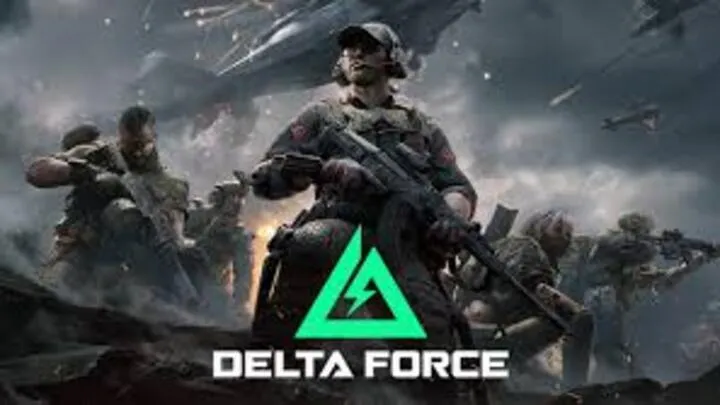
Delta Force is not a game that rewards reckless movement or individual hero plays. Whether you are playing classic Delta Force experiences or modern interpretations inspired by the series, the core identity remains the same: tactical awareness, positioning, and disciplined execution decide victory. Many players struggle because they approach Delta Force like a fast arcade shooter, ignoring its emphasis on realism, long sightlines, and teamwork. This blog focuses on one specific topic: how to survive and dominate Delta Force matches by mastering positioning, role discipline, and battlefield control, rather than relying on raw reflexes.
Understanding Delta Force’s Tactical DNA
Delta Force is built around large-scale maps, realistic weapon behavior, and minimal forgiveness for mistakes. Unlike close-quarters shooters, encounters often begin before you see the enemy.
Core design principles include:
- Long engagement distances
- High lethality
- Emphasis on terrain
- Team-based objectives
Every decision carries weight, and every movement reveals intent.
Early Match Phase: Reading the Battlefield
Why the First Minutes Matter
The opening phase sets the rhythm of the entire match. Poor early positioning often leads to repeated defeats later.
Key early objectives:
- Identify high ground
- Locate cover-rich routes
- Observe enemy movement patterns
- Avoid early exposure
Survival early provides information that wins later fights.
Smart Opening Moves
- Advance slowly instead of sprinting
- Use terrain for concealment
- Avoid skyline exposure
- Communicate enemy sightings
Information is more valuable than early eliminations.
Positioning Over Precision
Controlling Lines of Sight
Delta Force maps reward players who understand sightlines. Winning often means denying the enemy visibility rather than engaging directly.
Effective positioning principles:
- Hold angles instead of chasing targets
- Use elevation for vision, not dominance
- Move between cover deliberately
- Avoid predictable paths
If you can see without being seen, you already won.
Defensive Positioning Techniques
- Anchor behind natural terrain
- Use buildings as observation posts
- Rotate positions after engagement
- Avoid staying stationary too long
Static players become predictable targets.
Role Discipline: Playing Your Part Correctly
Understanding Squad Roles
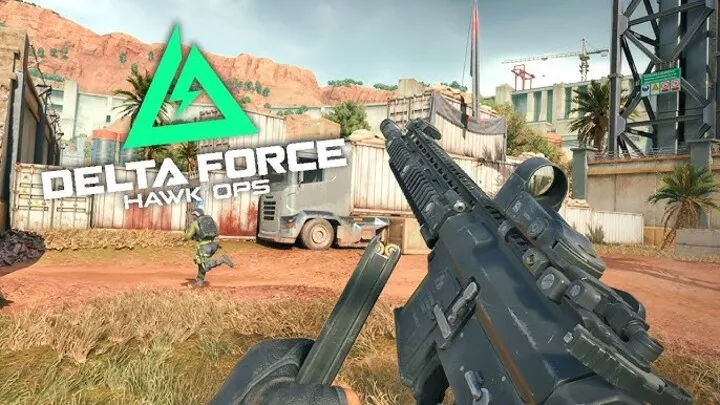
Success in Delta Force depends on players respecting their role instead of trying to do everything.
Common roles include:
- Recon and observation
- Long-range support
- Objective security
- Area denial
A team with clear roles outperforms individually skilled players.
How to Execute Your Role Well
- Do not chase kills outside your role
- Support teammates with information
- Cover retreat routes
- Maintain discipline under pressure
Consistency creates trust within the squad.
Weapon Usage and Engagement Control
Choosing the Right Engagement Distance
Not every weapon suits every fight. Engaging at the wrong distance reduces effectiveness and increases risk.
Guidelines:
- Long rifles favor patience
- Mid-range weapons reward positioning
- Close engagements require preparation
Force fights on your terms, not the enemy’s.
Engagement Best Practices
- Fire only when necessary
- Relocate after revealing position
- Use suppression strategically
- Conserve ammunition
Delta Force rewards restraint.
Movement: Staying Alive While Advancing
Why Movement Discipline Matters
Running attracts attention. Thoughtless movement reveals location and intention.
Smart movement habits:
- Move from cover to cover
- Pause frequently to observe
- Use crouch and prone intentionally
- Avoid silhouetting on ridgelines
Movement should be purposeful, not constant.
Advancing Under Pressure
- Smoke and distraction over speed
- Leapfrog with teammates
- Maintain overlapping fields of vision
Advance together or not at all.
Map Control and Objective Awareness
Understanding Objective Flow
Objectives are not just goals; they shape enemy behavior.
Objective awareness allows you to:
- Predict enemy movement
- Set ambushes
- Control chokepoints
- Force unfavorable engagements
Winning objectives often means never fighting directly on them.
Holding Objectives Effectively
- Secure surrounding terrain first
- Maintain escape routes
- Rotate defenders
- Avoid overstacking positions
Control the space, not just the marker.
Communication as a Weapon
Information Wins Battles
In Delta Force, a single accurate callout can decide an entire engagement.
Effective communication includes:
- Enemy location
- Direction of movement
- Weapon type awareness
- Terrain descriptions
Clarity matters more than speed.
Communication Discipline
- Avoid unnecessary chatter
- Confirm information before acting
- Update teammates when repositioning
- Acknowledge received intel
Silence without awareness is dangerous.
Mid-Match Adaptation
Reading the Enemy’s Strategy
As matches progress, patterns emerge.
Watch for:
- Repeated attack routes
- Overconfident players
- Static defenders
- Predictable rotations
Adaptation turns defense into opportunity.
Adjusting Your Approach
- Shift positions frequently
- Change engagement distances
- Rotate roles temporarily
- Apply pressure indirectly
Stagnation leads to defeat.
Late Match Survival and Control
Playing Smart Under Pressure
Late-game scenarios are often tense, with limited room for error.
Late-game priorities:
- Preserve life over aggression
- Deny enemy information
- Secure high-value terrain
- Support objectives defensively
One mistake can undo the entire match.
Closing Out Matches
- Hold angles patiently
- Avoid unnecessary exposure
- Force enemy movement
- Capitalize on mistakes calmly
Discipline wins endings.
Common Mistakes That Cost Matches
- Sprinting through open terrain
- Ignoring squad roles
- Fighting outside effective range
- Overcommitting to objectives
- Playing Delta Force like an arcade shooter
Most defeats come from impatience.
Conclusion
Delta Force rewards players who think tactically, move deliberately, and respect the battlefield. Mastery does not come from fast reactions alone, but from positioning, discipline, communication, and restraint. When you slow down, read the terrain, and play your role with intention, Delta Force transforms from a punishing experience into one of the most rewarding tactical shooters available. Victory belongs to those who control space, not those who chase action.