.webp)








Pioneers of Pagonia is not a fast-paced city builder where instant expansion guarantees success. It is a game about logistics, workforce balance, and long-term economic flow. Many players struggle not because of enemy pressure, but because their settlements collapse under inefficient production chains. This blog focuses on one specific and critical topic: how to design and stabilize a fully self-sustaining economy, ensuring your settlement grows smoothly without resource bottlenecks or workforce paralysis.
Understanding Pagonia’s Economic Philosophy
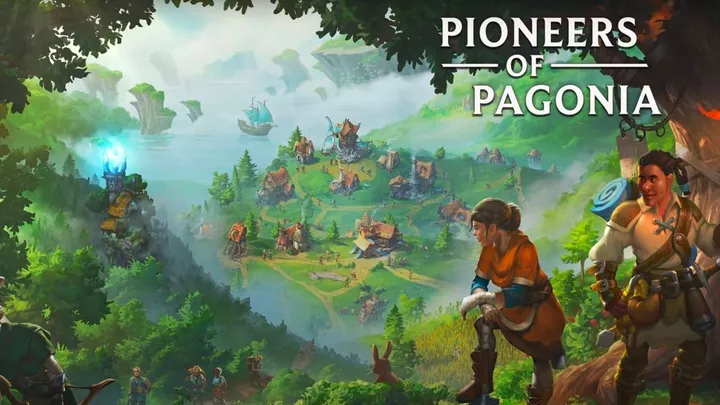
Pioneers of Pagonia rewards planning over expansion. Every building, worker, and road contributes to a living system where resources must physically move across the map.
Key principles:
- Resources exist as items, not numbers
- Workers need paths, food, and tools
- Production chains depend on timing
- Distance directly affects efficiency
A stable economy is one where nothing waits too long.
Early Game Foundations: Planning Before Building
Why Overbuilding Causes Collapse
New players often place too many buildings too early. This creates idle structures that drain workforce and tools without producing value.
Early goals should be:
- Minimal buildings with clear purpose
- Short transport distances
- Balanced food and wood supply
Every building must justify its existence.
Essential Early Buildings
- Woodcutter near dense trees
- Forester slightly away from roads
- Hunter or gatherer for food
- Storage close to production
Compact layouts outperform large ones early.
Road Networks: The Hidden Backbone of Success
Designing Efficient Road Layouts
Roads determine worker speed and item flow. Poor road design leads to invisible delays that cripple production.
Effective road rules:
- Avoid unnecessary intersections
- Keep production chains linear
- Use short paths between linked buildings
- Expand roads only when needed
A straight road beats a beautiful city plan.
When to Upgrade or Expand Roads
Road expansion should follow demand, not ambition. If workers idle or storage fills unevenly, road inefficiency may be the cause.
Watch for:
- Long walking animations
- Full output storage with empty input
- Workers abandoning tasks
Roads fix more problems than buildings.
Workforce Balance and Job Prioritization
Understanding Worker Allocation

Every worker in Pagonia matters. Assigning too many to one task starves others.
Common imbalance signs:
- Tool shortages
- Food production halts
- Idle buildings despite demand
Workforce must mirror economic needs.
Smart Job Management
- Prioritize food and wood first
- Limit luxury production early
- Avoid over-specialization
- Adjust priorities after expansion
A flexible workforce survives crises.
Food Chains: The Core of Settlement Stability
Choosing the Right Food Sources
Food fuels everything. A starving settlement cannot recover easily.
Early food options:
- Hunting: fast, terrain-dependent
- Gathering: steady but limited
- Farming: slow but scalable
Diversification prevents collapse.
Preventing Food Shortages
- Place food sources close to housing
- Avoid expanding population too fast
- Watch seasonal production dips
- Maintain surplus storage
Food shortages cascade into total failure.
Tool and Resource Production Chains
Why Tools Are More Important Than Gold
Without tools, workers stop functioning. Tool shortages silently destroy efficiency.
Key tool production tips:
- Keep metal production small but constant
- Place toolmakers near storage
- Avoid stockpiling raw metal excessively
Tools keep the economy alive.
Managing Raw Materials
- Balance mining with demand
- Avoid distant resource extraction early
- Secure transport routes before expansion
Distance increases cost invisibly.
Storage Placement and Resource Flow
Central vs Distributed Storage
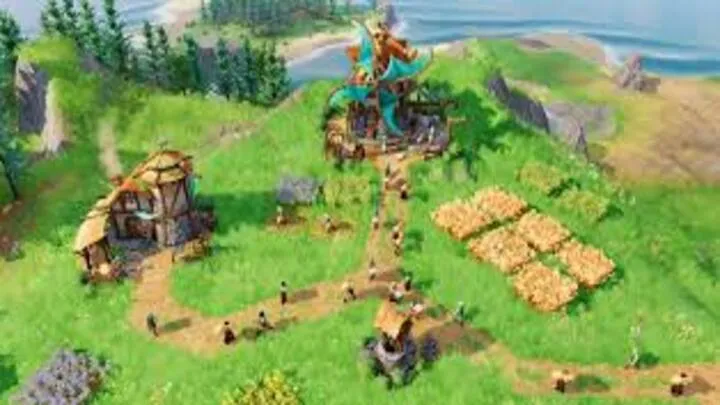
Storage location determines efficiency. One large storage is simple but slow; multiple small storages increase speed but cost labor.
Best practice:
- Central storage near housing
- Small storages near production hubs
- Avoid isolated storage buildings
Items should move logically, not randomly.
Preventing Storage Congestion
- Monitor full warehouses
- Relocate storage near bottlenecks
- Reduce overproduction
Storage solves problems only when placed correctly.
Expansion Timing and Map Control
When to Expand Safely
Expansion should happen only when:
- Food surplus is stable
- Tools are abundant
- Workforce idle time exists
Expanding too early creates chaos.
Securing New Areas
- Connect roads before building
- Place storage first
- Bring food supply immediately
Expansion is preparation, not conquest.
Mid-Game Optimization: Removing Inefficiencies
Identifying Economic Bottlenecks
Mid-game reveals inefficiencies hidden earlier.
Common bottlenecks:
- Overlong transport routes
- Unbalanced job priorities
- Excessive specialization
Fix causes, not symptoms.
Optimization Techniques
- Relocate buildings closer together
- Reduce unnecessary production
- Reassign idle workers
Small adjustments create big gains.
Late Game Stability and Automation Feel
Maintaining Control at Scale
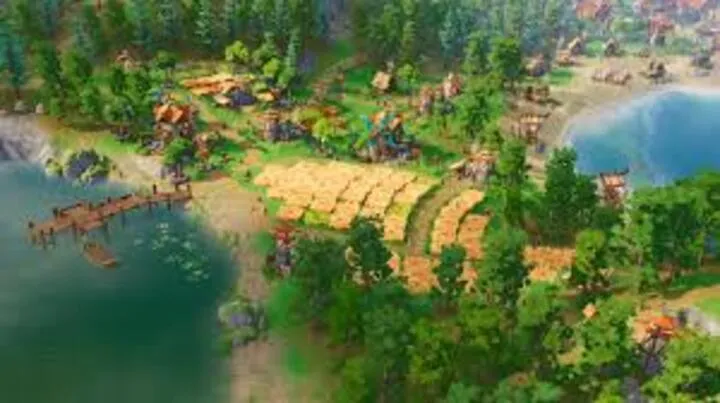
Large settlements magnify mistakes. Systems must be robust, not perfect.
Late-game priorities:
- Redundant food chains
- Tool surplus
- Flexible workforce
Stability matters more than growth.
Avoiding Late-Game Collapse
- Monitor worker travel times
- Reduce expansion pace
- Regularly audit production chains
Growth without control leads to failure.
Common Mistakes to Avoid
- Building too much too early
- Ignoring road efficiency
- Overproducing luxury goods
- Expanding without storage
- Neglecting food balance
Most failures are logistical, not strategic.
Conclusion
Pioneers of Pagonia rewards players who think like logisticians rather than empire builders. A successful settlement is not the largest, but the most efficient. By mastering road design, workforce balance, food security, and production flow, you transform your settlement into a self-sustaining system that grows naturally and resists collapse. Patience, planning, and observation are the true tools of success in Pagonia.